Visitor information
Entry requirements, money, driving, emergencies and time — the practical things, with links to the official sources for anything that changes.
The practical things worth knowing before you arrive. Fees and rules change, so this page points at the official sources rather than repeating numbers that go out of date.
Before you travel
Most visitors need either a visitor visa or an NZeTA — a New Zealand Electronic Travel Authority — requested before you fly. Many travellers also pay the International Visitor Conservation and Tourism Levy at the same time. Both go through Immigration New Zealand, which is also where to check passport validity requirements for your nationality.
Do not leave the NZeTA to the airport. Airlines check it before you board.
Biosecurity is taken seriously here. New Zealand is free of many plant and animal diseases and intends to stay that way. Declare food, plant material, outdoor equipment and used hiking boots — declaring costs nothing, and not declaring carries an instant fine. See New Zealand Customs and the Ministry for Primary Industries.
Getting here
Queenstown Airport is at Frankton, a few kilometres from the town centre. It takes direct flights from several Australian cities and domestic flights from Auckland, Wellington and Christchurch.
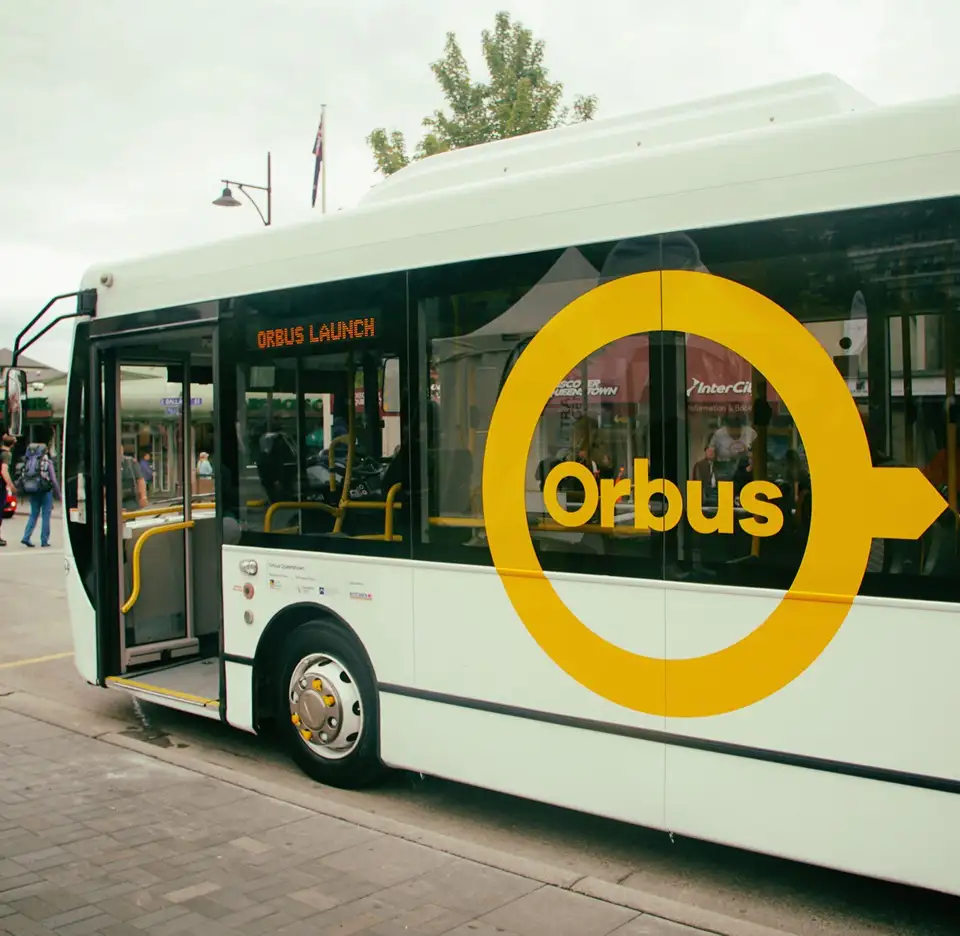
From the airport, Orbus route 1 runs into town for a couple of dollars with a Bee Card. There are also taxis and shuttles.
Money
- GST of 15% is already included in displayed prices. Nothing is added at the till.
- Cards are accepted almost everywhere, and contactless is standard.
- ATMs are easy to find in the town centre.
- Tipping is not expected. It is fine to tip for service you thought was exceptional, and equally fine not to.
Emergencies and health
Dial 111 for police, fire or ambulance.
Medical care is not free to visitors, and travel insurance is strongly recommended. There are no snakes and no dangerous land animals in New Zealand — the hazards here are weather, water and terrain, not wildlife.
Driving
New Zealand drives on the left. Carry your licence in the vehicle, with an English translation or International Driving Permit if it is not in English. Rental companies set their own minimum ages.
Give-way rules and signage may not match what you are used to. Read the NZ Transport Agency road code before you drive — it is ten minutes well spent.
Locally: the Crown Range towards Wanaka is the highest sealed road in the country and can close in snow, and some roads — Skippers Road in particular — are excluded from most rental contracts. Queenstown weather covers the seasonal conditions.
Time
New Zealand Standard Time is 12 hours ahead of UTC. Daylight saving adds an hour from late September to early April.
Public holidays
Dates shift each year, and Otago and Southland both have their own anniversary days. The current list is on govt.nz.
Electricity
230 volts, 50 hertz, with the angled three-pin plug used in Australia and New Zealand. Bring an adapter.
Water
Tap water is safe to drink throughout the country. Water from rivers and lakes is not — treat it if you are out on the tracks.
Language
English is the everyday language. Te reo Māori is an official language and you will meet it constantly in place names and greetings — Whakatipu, Kāi Tahu, kia ora.