A small French restaurant in Queenstown used to halve the food bill for whoever took its downstairs window table at six. Mat Weir turned that into First Table — now more than 4,500 restaurants across four countries, taking bookings for one to six diners up to a fortnight ahead, and still run from Queenstown.
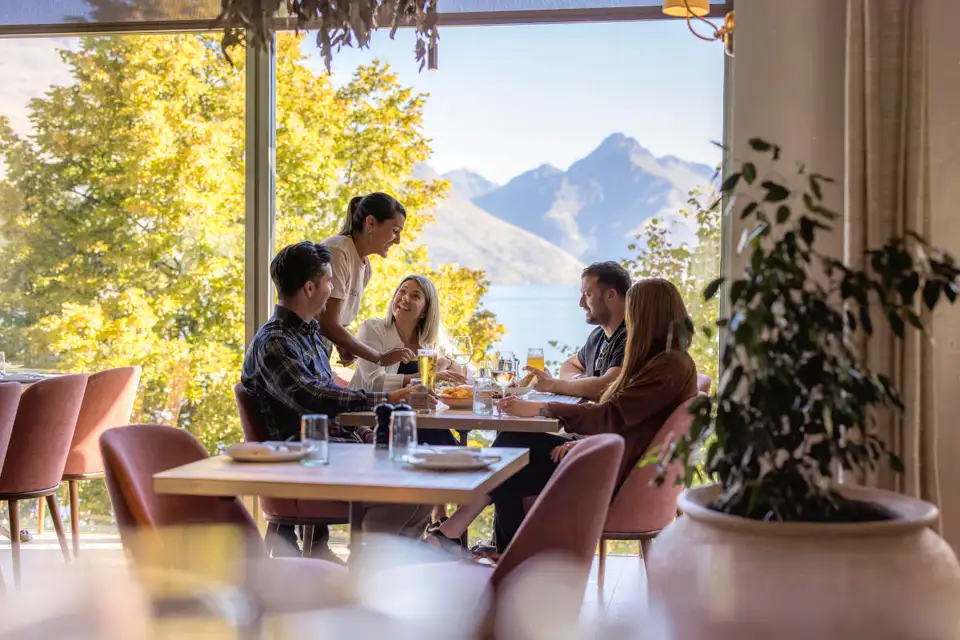
Halfway down Beach Street in Queenstown, a small French restaurant had a local secret. It had one table downstairs; everything else was up. If that downstairs table was free, you could sit in the window at six o'clock and pay half your food bill.
Mat Weir went back several times. Half a bill is the difference between ordering what you always order and ordering the thing you have never tried, and between tap water and a bottle of French wine. But the thing that stayed with him was why the restaurant did it at all. It wasn't generosity. A full window table at six tells everyone walking past that this is where the night is happening.
"A crowd attracts a crowd," as he later put it to the Otago Daily Times. "Bars have been doing this for centuries with happy hours."
What the restaurant couldn't do was reach anyone who wasn't already on that street.
Ten Queenstown restaurants
Weir grew up in Palmerston North and started building websites at fifteen. He enrolled in a double major in information systems and entrepreneurship, worked out that what was being taught was the theory of entrepreneurship rather than how to be one, and left.
He came to Queenstown twenty years ago to run a software company that built booking systems for the tourism industry. It doubled as an incubator, and several of the businesses the team built internally were sold off. He finished there in 2013 and spent the following year working out what came next.
First Table launched in 2014 with ten Queenstown restaurants. Weir had never done sales, so he did it the direct way: walk in, explain the idea, ask for a yes.
Eighteen months without an address
Then he picked up a relocation campervan. They go for almost nothing, because the rental company needs the vehicle back at the other end of the country and somebody has to drive it. He took one from Christchurch to Auckland, slept in it, and worked the route: into a restaurant, make the pitch, sign them, load them onto the site, drive on.
Back in Queenstown, he got rid of the apartment and everything in it. For the next eighteen months he had no address at all — New Zealand city to New Zealand city, then across to Australia, staying on friends' couches and wherever else was going, signing restaurants in person in every city he landed in. There was no growth team and no marketing budget. The expansion was one man turning up. Sydney was live eleven months after the New Zealand launch.
The race to Bristol
The UK happened because someone else nearly got there first. Weir heard that a British couple who had been living in Queenstown were moving home to copy the idea. He pulled a small team together, worked out which city they were likely to start in, and a week later landed in Bristol. He had coffee there with another former Queenstown local who had used First Table — that man later joined the company. They beat the other launch by one day.
Britain kept going. Earlier this year the UK overtook New Zealand as First Table's largest market, growing at 160% year on year. London is now the biggest city by revenue, ahead of Auckland and Sydney. Dublin opened this year, and Sheffield came on in August as the 22nd UK city.
It is not just the first table of the night any more
The name is now the smaller half of what the platform does. First Table has expanded well past a single early dinner slot, and in 2026 it made the biggest change to the booking rules since it launched.
- Solo diners can book. A table for one was not possible before; it is now.
- Groups of up to six. The old limit was four.
- Book up to 14 days ahead. It used to be seven.
- Tables are released at midday, not 9pm — so you can browse over lunch instead of competing late at night.
- Breakfast, lunch and dinner, and last tables as well as first ones.
- 50% off the food bill, which has not changed since the window seat on Beach Street.
"Whether you're a solo diner on a Tuesday night, a family of six celebrating a birthday, or a couple planning two weeks out, you'll now book through First Table and save 50%," chief executive Alex Cappy said when the change was announced.
The company has seated more than five million diners since 2014 and works with more than 4,500 restaurants across New Zealand, Australia, the United Kingdom and Ireland.
Why it started here, and stayed
Cappy took over as chief executive in April. She is based in Auckland and has held senior roles at Uber and Deliveroo in the UK and run the global manufacturing platform Hubs; Weir moved into a new role leading the company's AI work. The head office is still in Queenstown, and the team is about eighty people.
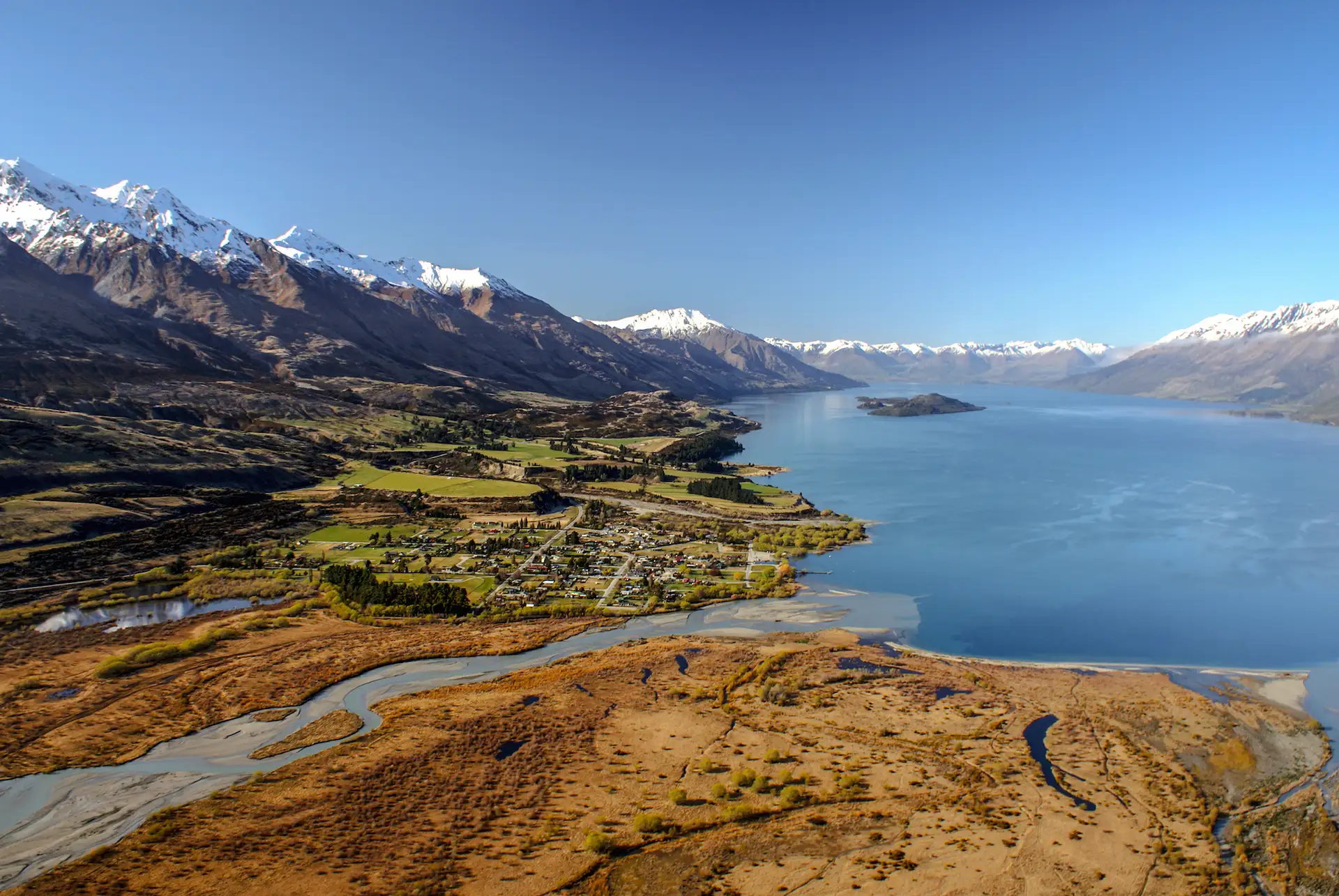
That is the part worth sitting with. A platform operating in four countries, with its largest market in Britain, is run out of a town of a few thousand permanent residents at the bottom of the South Island. Weir's own explanation is that Queenstown is a beautiful place with a good community that tends to attract entrepreneurial people, and that it is proof a company can be built from anywhere.
There is a practical version of that too. Queenstown packs an unusual number of restaurants into a very small resident population, and they trade against a visitor market that swings hard between seasons. It is an honest place to test an idea about filling empty tables: what survives a Queenstown shoulder season will generally work in a city with steadier trade. It is also a town where a founder can walk the length of the strip and speak to twenty owners in an afternoon, which is how the first ten were signed and how the pitch got good.
And for a town this size it remains a serious market in its own right: more than 120 restaurants around the Queenstown Lakes take First Table bookings.
Where it began
The dining scene that produced the idea has only deepened since 2014. Nineteen restaurants around Queenstown and Arrowtown were recognised in the first MICHELIN Guide to New Zealand this year, including the only Two Star restaurant in the country.
And the early table is still a genuinely local habit: eat at five-thirty, then walk out into the last of the light on the lakefront. Start with our restaurant listings and pick your window table.